














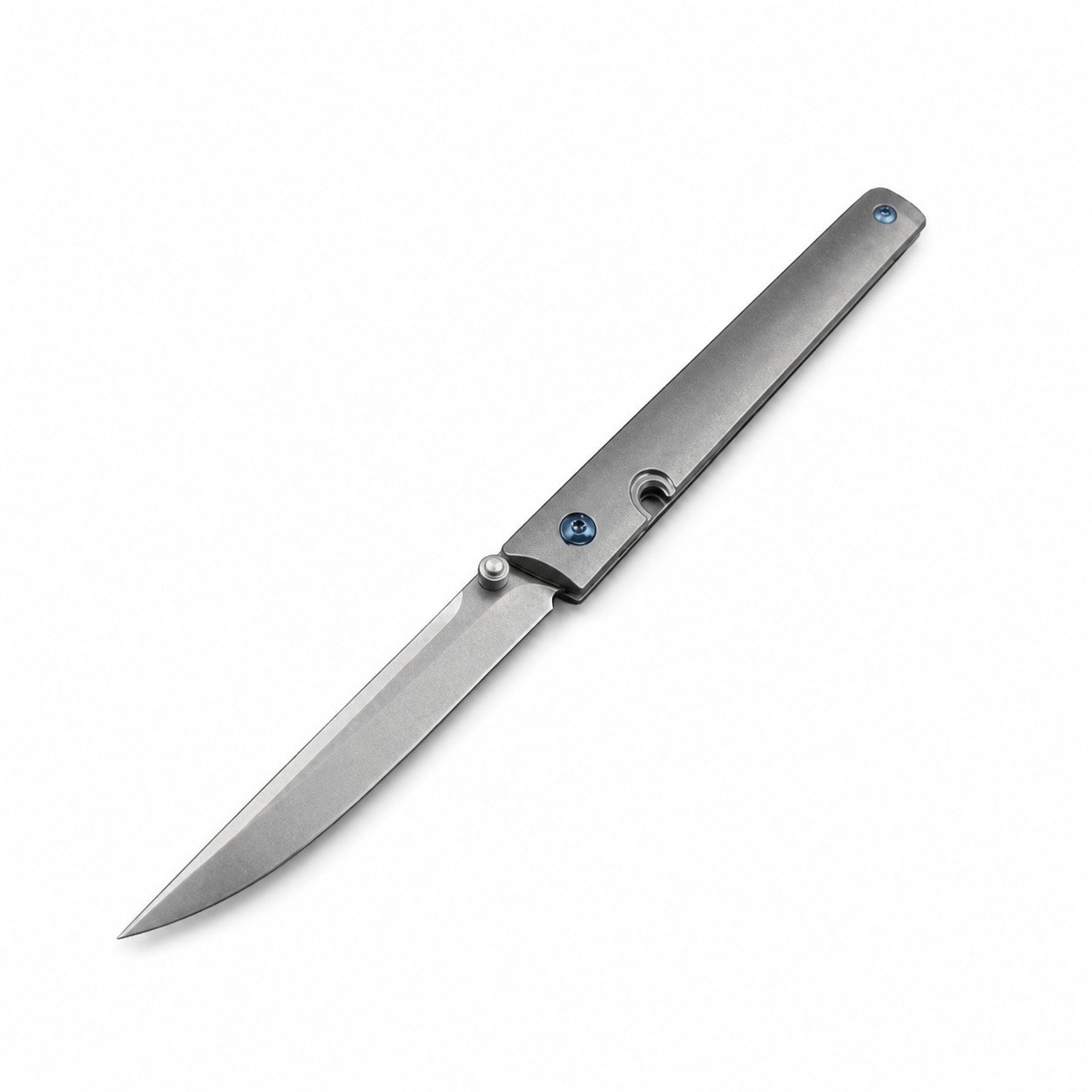
Use a careful antique pocket knife identification process by checking markings, construction, wear, and provenance before cleaning or assigning value.
How antique pocket knife identification works
Antique pocket knife identification starts with evidence, not a guess from appearance. Record every visible marking, then examine the handle, blade, joints, fasteners, and overall wear. Compare those observations with dependable reference sources or an experienced specialist. Avoid polishing or altering the knife before documentation, because cleaning can remove useful clues.
Check markings and construction
Look for maker names, symbols, country marks, patent references, or numbers, while remembering that a marking may be worn or difficult to read. Note whether the knife is single-bladed or multi-bladed, how the handle is shaped, and whether parts appear consistent with one another. Photographs in natural light can support later research.
Separate age from condition
Patina, scratches, corrosion, and looseness may indicate use, but they do not prove a particular age. Replacement blades, altered handles, and repaired joints can change the knife’s history. Store the item dry and handle it carefully; do not force a stiff blade or use abrasive cleaners while identification is incomplete.
Catalog context
The SEWARD 7096 Titanium Handle Fold Folding Knife is a current catalog-style example, not an antique identification reference. Its supplied facts list an 8.0 cm D2 blade, titanium-alloy handle, 19.2 cm total length, and 60 g net weight. Those specifications illustrate how modern listings document a knife, but they do not establish age or provenance.
Practical next step
Create a dated record with clear photos of both sides, all markings, and the closed and open forms before consulting a reference guide or specialist.
Can photographs alone identify an antique pocket knife?
Photographs can narrow possibilities, especially when markings and construction details are clear, but they may not confirm authenticity, age, or alterations. Use multiple views and preserve the original condition, then compare the evidence with reliable references or specialist advice.
Should I clean an old pocket knife before identifying it?
Usually, document it first and avoid aggressive cleaning. Dirt, patina, and wear may contain useful information, while polishing can remove markings or surface history. If movement is stiff, do not force the blade; seek careful maintenance guidance instead.