














Compare 420HC steel vs D2 for edge retention, care and everyday folding-knife use, then choose the material that fits your cutting routine.
420HC steel vs D2: the practical answer
420HC steel vs D2 is mainly a choice between easier maintenance and stronger edge retention. 420HC is often the more forgiving option for everyday carry, occasional outdoor use and simple sharpening. D2 is commonly selected when keeping an edge for longer between sharpening matters, but it needs more attentive care because it is not fully stainless. Your cutting materials, storage habits and willingness to maintain the blade should decide the choice.
420HC vs D2 steel for everyday folding knives
420HC can suit users who want straightforward upkeep and a blade that is relatively easy to refresh with ordinary sharpening equipment. It is a sensible category to consider for routine cardboard, cord or general light cutting, provided the knife is used within its design limits.
D2 steel vs 420HC is a different trade-off when edge longevity is the priority. D2 may appeal to users who prefer fewer sharpening sessions, but moisture, residue and careless storage deserve more attention. A longer-lasting edge does not make a knife suitable for prying, twisting or other hard use.
Care and selection checklist
Before choosing between D2 vs 420HC steel, consider whether the knife will be carried in damp conditions, how often it will be cleaned and whether you already have a preferred sharpening method. Wipe the blade after use, keep it dry and avoid storing it with residue on the edge. Follow the maker’s care guidance where available.
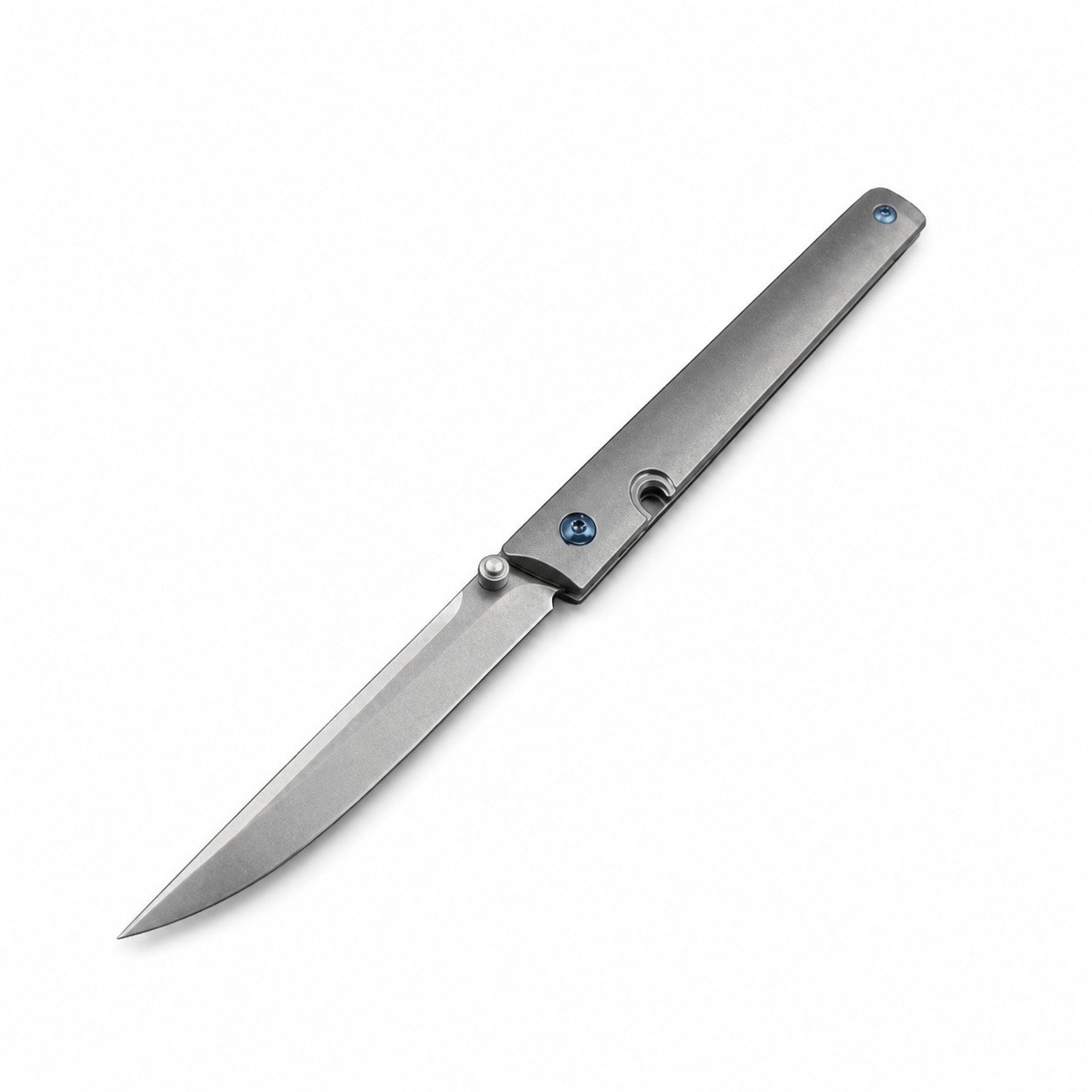
A catalog example is the 7096 Titanium Handle Fold Folding Knife, which lists a D2 blade and titanium-alloy handle. Those stated materials identify this product only; they do not prove that every folding knife uses D2 or that D2 is always the better choice.
Is D2 better than 420HC for every folding knife?
No. D2 may be attractive when edge retention is important, while 420HC can be easier to maintain for routine carry. The better choice depends on moisture exposure, cutting habits, sharpening preferences and how carefully the knife will be stored.
What is the next step when comparing these steels?
Write down your normal cutting tasks, storage conditions and sharpening tools, then compare those needs with the blade material and care instructions listed for the specific knife.