














Learn how to compare pocket knife specifications before buying, so size, weight, materials, and package details match your real needs.
How to compare pocket knife specifications before buying
Start with the measurements and facts that affect everyday carry: overall length, blade length, width, thickness, weight, stated materials, and what the package includes. Compare these fields side by side instead of relying on product photos or a headline feature. The best choice is the listing that fits your intended use, carrying space, and comfort expectations.
Compare size and weight first
Size determines how easily a folded knife fits in a pocket, pouch, or small gear case. Weight matters when you carry it with other equipment or give it as a practical gift. A compact option may suit light everyday tasks, while a larger specification may be more noticeable in a pocket. Check measurements in the same units before deciding.
Check materials and listing completeness
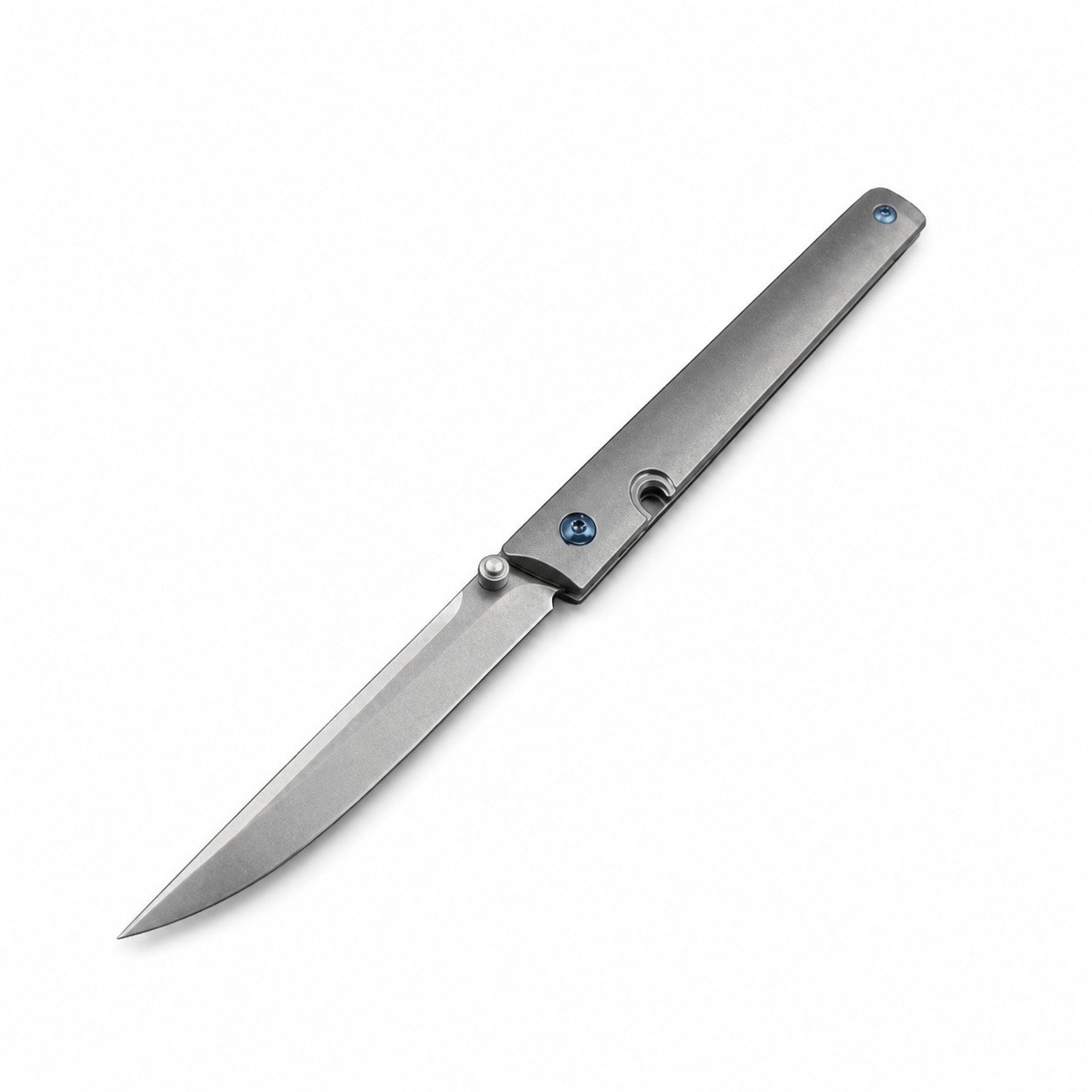
Look for clearly stated blade and handle materials, but avoid assuming performance beyond the supplied specification. The 7096 Titanium Handle Fold Folding Knife lists D2 blade material, titanium alloy handle material, a 19.2 cm total length, an 8.0 cm blade length, and a 60 g net weight. It is a useful catalog example for comparing a lightweight specification set.
Make the final shopping check
Confirm the selected option, measurements, package contents, and any personalization requirements before ordering. Also check local rules and the intended setting independently. Next step: copy the specifications of two or three listings into a simple comparison table and mark only the fields that matter for your use.
Which pocket knife specifications should I compare first?
Compare overall size, blade length, weight, stated materials, and package contents first. These fields help you judge fit, portability, and whether the listing provides enough information for a confident purchase.
Can product photos replace a specification table?
No. Photos can show appearance but may not establish exact measurements, weight, or materials. Use written specifications for the buying decision and treat images as supplementary information.