















Wildlife after dark
Planning a Night-Wildlife Observation Session
Choose a permitted place to watch from a distance, plan the walk back and prepare the device before the sun goes down.
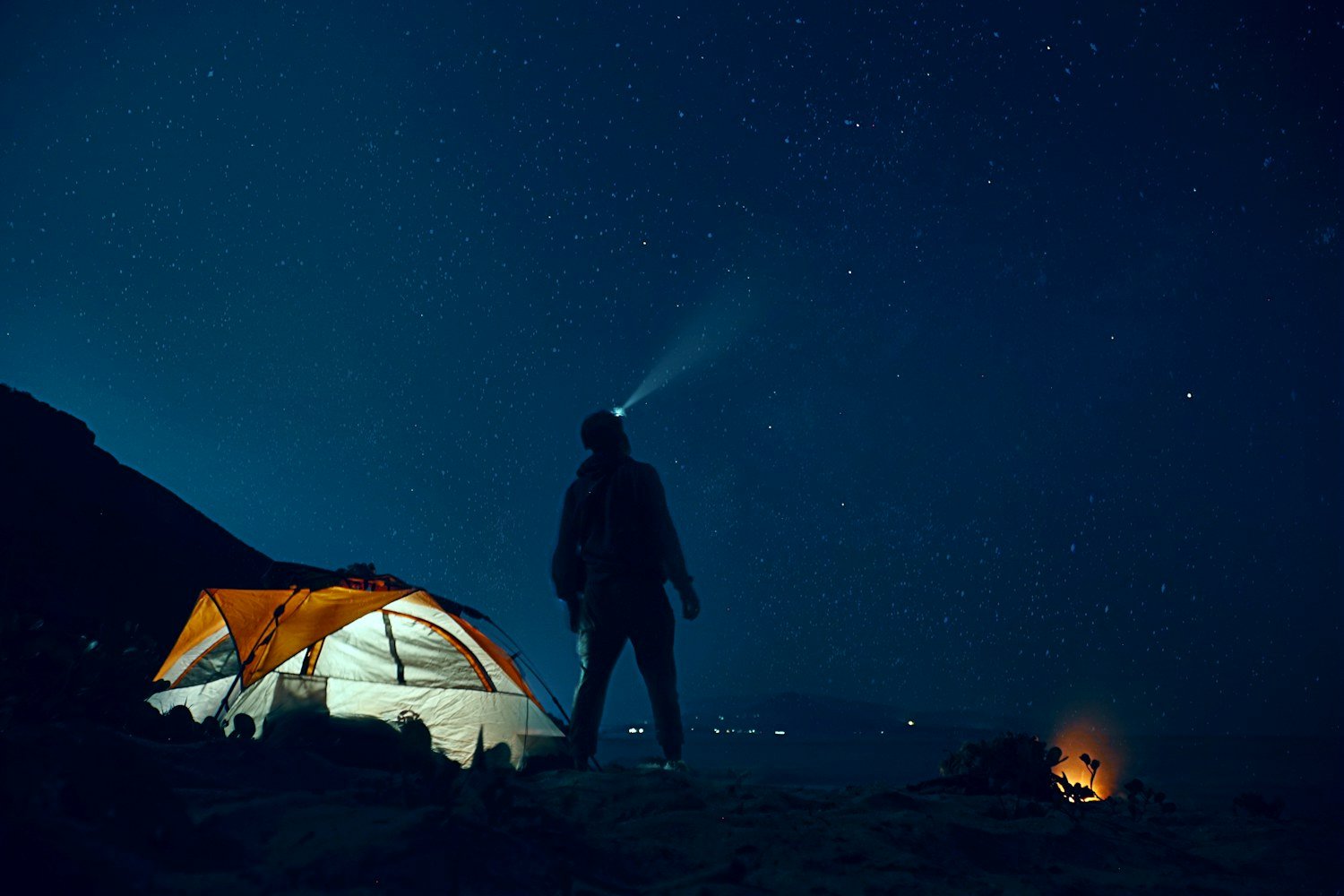
Pick a destination and a return route
Start with a place where after-dark access is allowed and a viewing point the site recommends. Read its current closures, parking information and species-specific distances. Tell someone the route and your expected return time. Choose a nearby, familiar route in daylight and give the group a clear place to stop if the weather changes.
A dusk visit to an authorized viewing area can be sufficient. For a first trip, choose one modest observation goal, such as seeing whether wildlife passes through an open area at a distance. Stay on permitted surfaces and let the animals keep their normal path.
Set up before the light falls
| Before leaving | Check | Pack or change | |
|---|---|---|---|
| Site access | Opening hours, restrictions and current conditions | A legal viewing point and route back | |
| Wildlife distance | Site’s rules and species guidance | An observation position that preserves space | |
| Navigation | Offline route, independent light and departure time | A practical backup for the way out | |
| Recording | Battery state, storage capacity and allowed lighting | Supported media and spare power if needed |
Keep the observation low impact
Stay quiet and let the animal decide where it goes. If your presence changes its movement or behavior, back away or end the session. Avoid calls, bait and approaches to roosts or resting places. Follow the park’s specific rules for lights, flash and infrared emitters.
The device stays secondary to returning safely. Take a brief practice recording before leaving home and confirm it can be played back. At the site, stop recording when changing light or conditions require your attention for walking. If you have doubts about the route, access, weather or disturbance, choose a daytime visit or a ranger-led session.
Common questions
Do I need night vision for a first dusk session?
Choose a permitted place, enough light for navigation and an observation goal. Many first outings are possible at dusk with the equipment you already own.
Is one minimum distance suitable for every park?
Read the site and species rules. Increase distance whenever your presence changes the animal’s behavior.