













Compare 440C vs D2 steel by corrosion resistance, edge maintenance, toughness, and everyday use before selecting a folding or outdoor knife.
440C vs D2 Steel: Direct Comparison
440C vs D2 steel is mainly a choice between two different maintenance and performance priorities. 440C is a stainless steel commonly chosen for corrosion resistance and general knife use. D2 is a tool steel known for strong wear resistance, but it is not fully stainless in the same way. The better option depends on moisture exposure, sharpening preferences, blade geometry, and heat treatment.
A steel label is only one part of the knife. Handle design, edge thickness, finishing, and the maker’s process can change how the finished tool behaves.
440C Stainless Steel vs D2 for Daily Carry
440C may be convenient for users who expect damp conditions or want simpler corrosion care. D2 may appeal to users who value wear resistance and are prepared to keep the blade clean and dry. Neither material should be treated as maintenance-free. Wipe away moisture and residue after use, and avoid storing either blade while damp.
Sharpening should be approached according to the maker’s guidance and the edge design. Avoid aggressive techniques that remove more material than necessary.
Checking the Referenced Knife
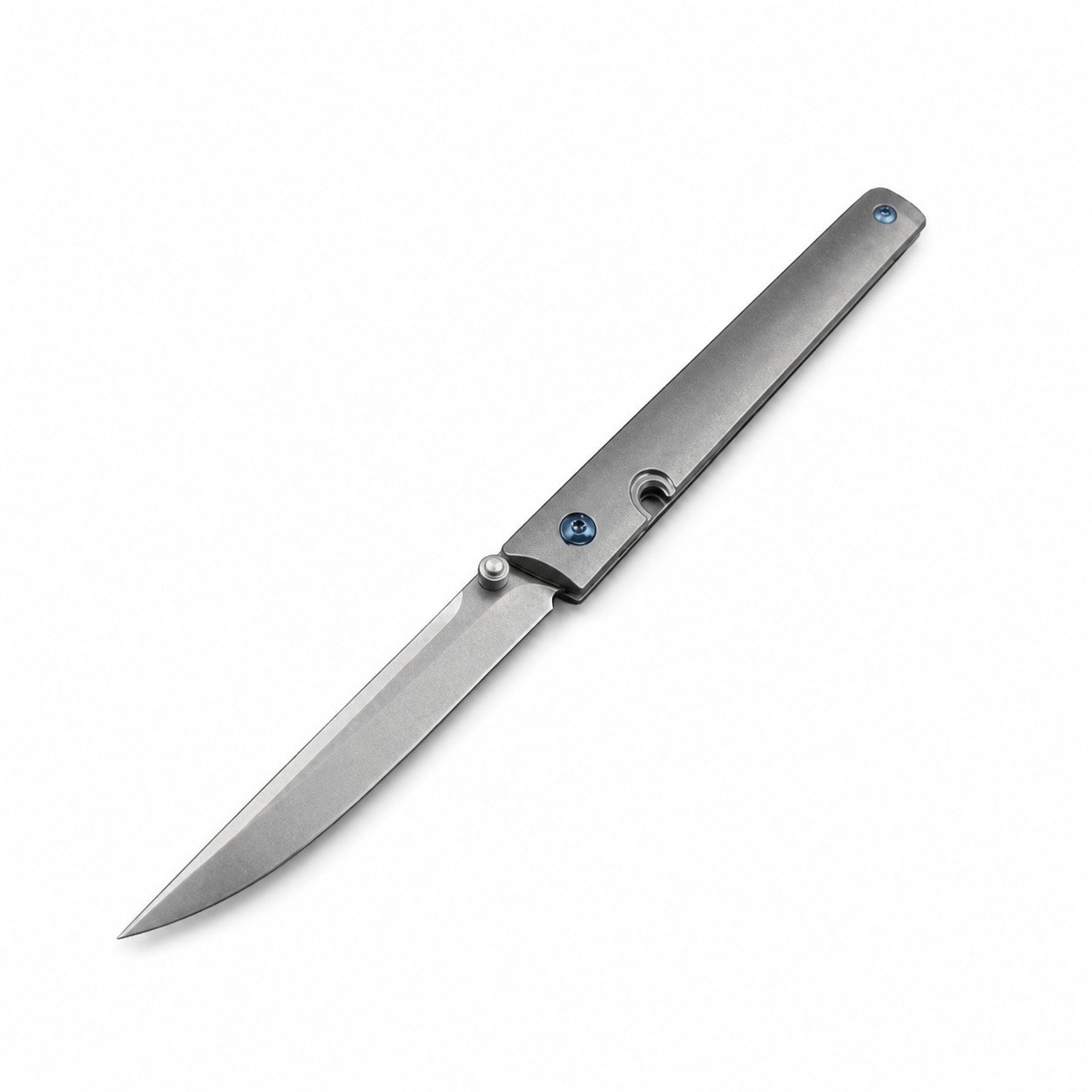
The 7096 Titanium Handle Fold Folding Knife is listed with a D2 blade, an 8 cm blade length, a titanium alloy handle, and a 60 g net weight. Those facts identify its listed material, but they do not provide a direct 440C comparison or establish a universal ranking. Use the exact specification when evaluating this model.
Is D2 better than 440C?
Not in every situation. D2 can be attractive for wear resistance, while 440C may be preferable when corrosion resistance and straightforward everyday care are priorities. Heat treatment, blade geometry, and intended use matter greatly, so compare the complete knife and your environment.
How should I care for 440C or D2?
Keep the blade clean and dry, wipe away moisture after exposure, and avoid damp storage. D2 deserves particular attention in wet or salty conditions, while 440C still benefits from regular care. Follow the product instructions and use suitable sharpening equipment when the edge needs attention.