












Learn what hard knife steel means, how it affects edge care and outdoor selection, and what to check before choosing a folding knife.
What hard knife steel means
Hard knife steel is steel treated to resist deformation at the cutting edge. In practical terms, a harder blade may stay sharp longer during ordinary cutting, but it can also require more careful sharpening and use. Hardness is only one part of performance: edge shape, heat treatment, thickness, cutting conditions and maintenance all matter.
For a folding or outdoor knife, compare the stated blade material with the work you actually expect to do. A hard edge can be useful for repeated everyday cutting, but no steel should be treated as indestructible. Avoid twisting the blade, striking it, or using it as a pry tool.
Choosing hard knife steel for folding use
Start with the task, not the steel name alone. A compact folding knife is generally suited to controlled everyday cutting, packaging, cord or similar light tasks when its design and local rules allow. Look for clear specifications, a comfortable handle, a secure closed position and a size you can carry responsibly.
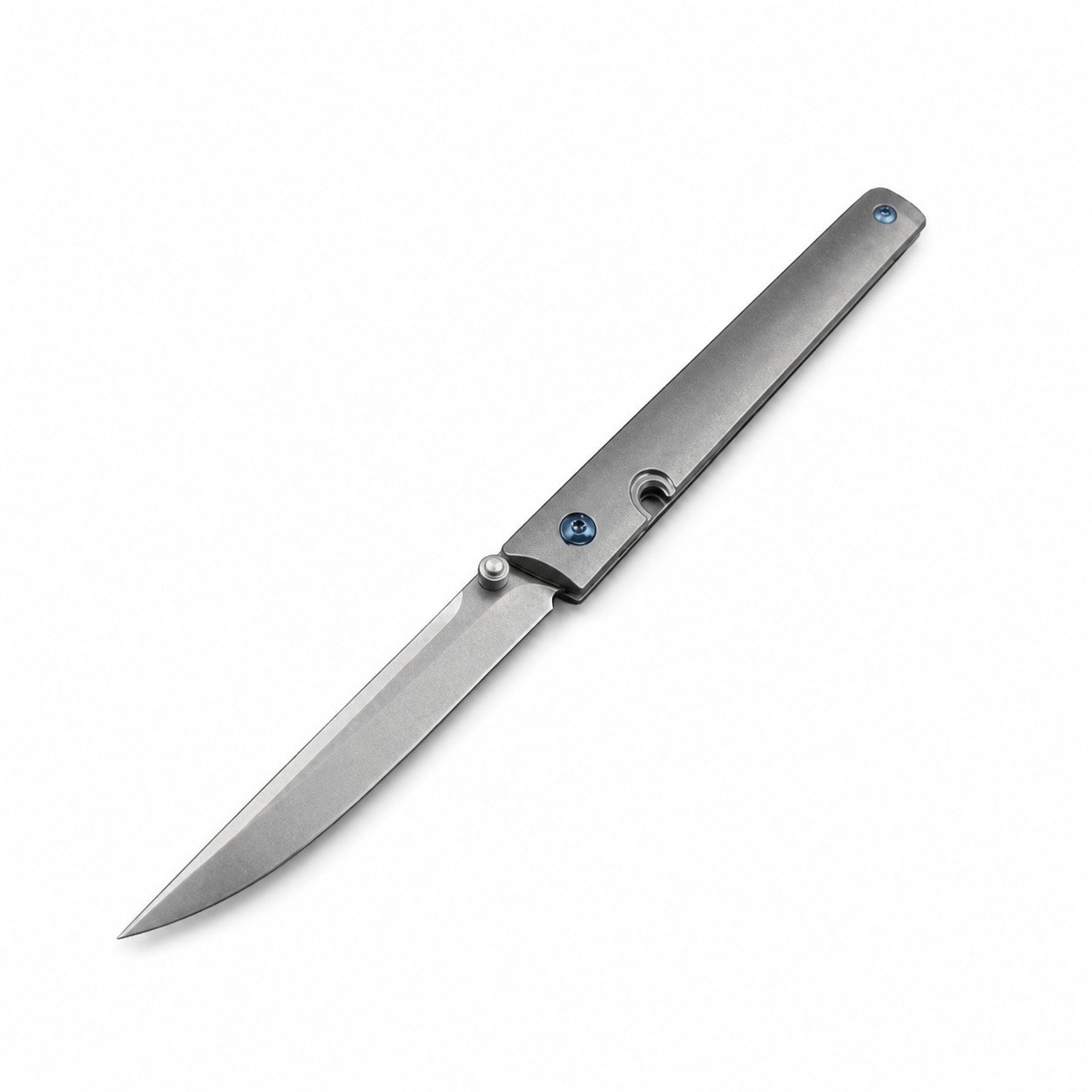
The SEWARD 7096 folding knife is listed with a D2 blade, a titanium-alloy handle, an 8.0 cm blade and a net weight of 60 g. Those are catalog facts about this example, not a claim that every hard-steel knife has the same properties.
Care and sharpening basics
Keep the edge clean and dry after use, especially when cutting damp or dirty material. Wipe away residue and store the knife closed in a dry place. Sharpen gradually with equipment suited to the edge rather than removing unnecessary metal. If you are unsure of the angle or condition, a qualified sharpening service can help.
A hard blade may feel durable, but care still affects its useful life. Inspect the edge and handle before carrying it, and stop using the knife if damage or looseness appears.
A practical next step
Write down your most common cutting tasks, preferred carry size and maintenance routine. Then compare those needs with the verified product specifications and the laws that apply where you live.
Is harder knife steel always better?
No. Hardness can support edge stability and longer cutting performance, but it may make sharpening more demanding and does not prevent chipping, damage or poor performance caused by unsuitable use. Choose steel together with edge geometry, construction, intended tasks and your ability to maintain it.
How should hard knife steel be maintained?
Wipe the blade clean and dry after use, avoid twisting or prying, store it safely and sharpen it gradually with suitable equipment. Check the edge and handle regularly. Maintenance needs vary by steel and finish, so follow the maker’s care information when it is available.