














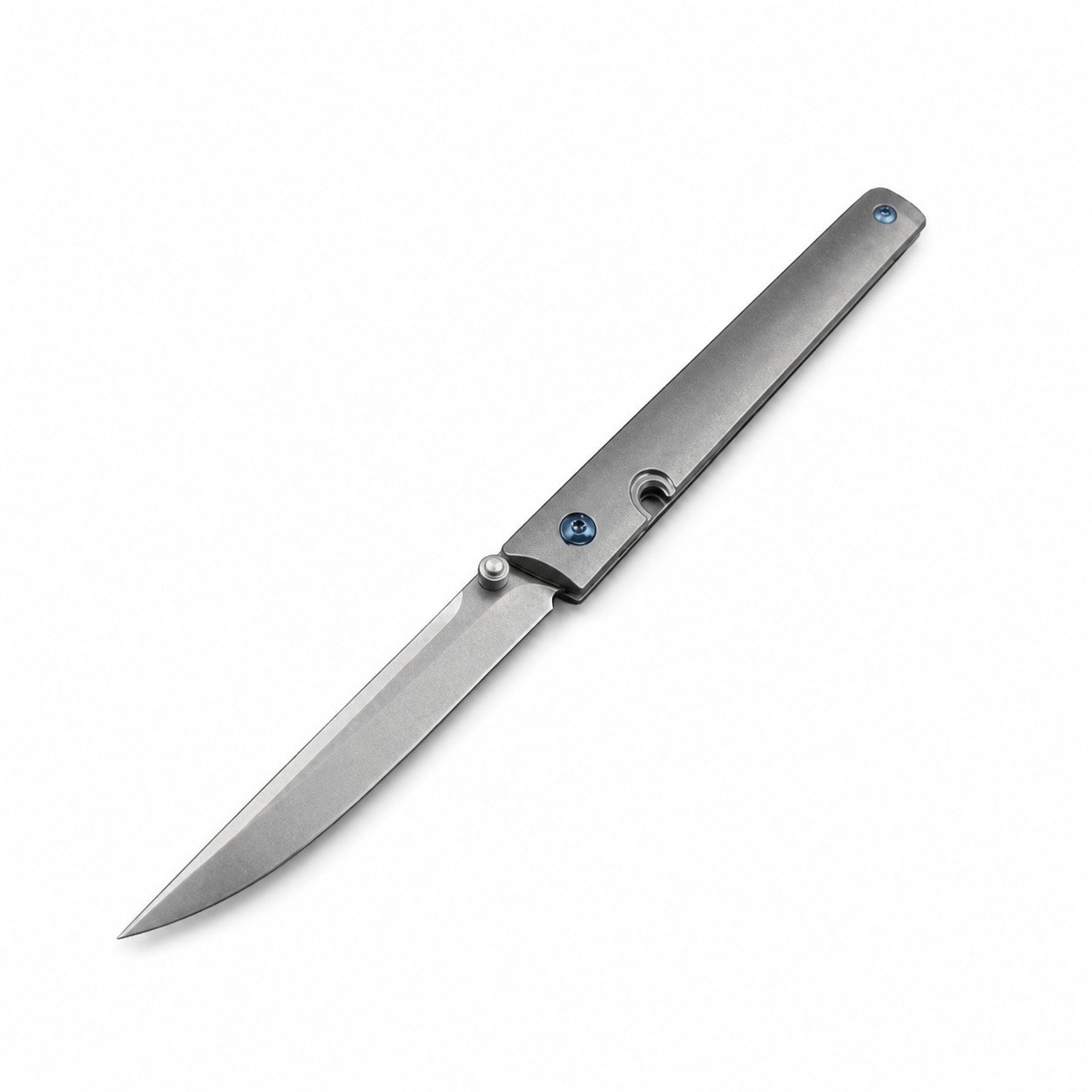
Find out how good D2 steel is for knives, including its practical strengths, limits and simple care steps for everyday cutting.
How good is D2 steel?
D2 is a tool steel commonly selected for knives because it can provide useful edge retention and toughness when properly made and treated. It is often described as semi-stainless rather than fully stainless, so it may resist corrosion better than many high-carbon tool steels but still deserves sensible cleaning and drying. The final result depends on heat treatment, geometry and construction, not the steel name alone.
What D2 means in everyday use
For everyday cutting, D2 can be a practical compromise between maintaining an edge and handling routine work. It is not a guarantee against damage, rust or sharpening difficulty. Avoid twisting the blade, striking hard materials or using a knife as a pry tool. Match the blade to the task and use a stable cutting surface where appropriate.
If you are comparing D2 with another steel, consider edge retention, corrosion resistance, toughness, sharpening preferences and the maker’s stated specifications together. A product listing should be treated as the source for that particular knife, not as proof that every D2 knife performs identically.
Caring for a D2 knife
Wipe the blade after use, especially when it has contacted moisture or residue. Dry it before storage and inspect the edge periodically. A light, suitable protective treatment may be considered for longer storage if compatible with the product and your intended use. Sharpen gradually with an appropriate abrasive instead of removing excessive material.
The supplied example is the 7096 Titanium Handle Fold Folding Knife. Its listed blade material is D2, with a titanium alloy handle, 8.0 cm blade, 19.2 cm total length and 60 g net weight. Those facts apply only to this model.
Does D2 steel rust?
D2 has useful corrosion resistance but is not generally treated as fully stainless. Moisture, salts and residue can still cause problems. Clean, dry and inspect a D2 blade regularly, especially after outdoor or damp use.
Is D2 easy to sharpen?
D2 may take more patience than softer steels because it is designed for wear resistance. Use a suitable sharpening system, work gradually and avoid aggressive pressure that could damage the edge.