














Understand the key decisions involved in making a survival knife, from blade material and carry needs to safe storage and everyday maintenance.
Making a survival knife starts with the intended job
Making a survival knife is best understood as a process of matching a tool to realistic outdoor cutting needs, not simply adding the largest blade possible. Start by defining the tasks, carry method, environment and maintenance you can manage. For general use, prioritize secure handling, suitable size and safe storage over appearance alone.
Choose materials and dimensions carefully
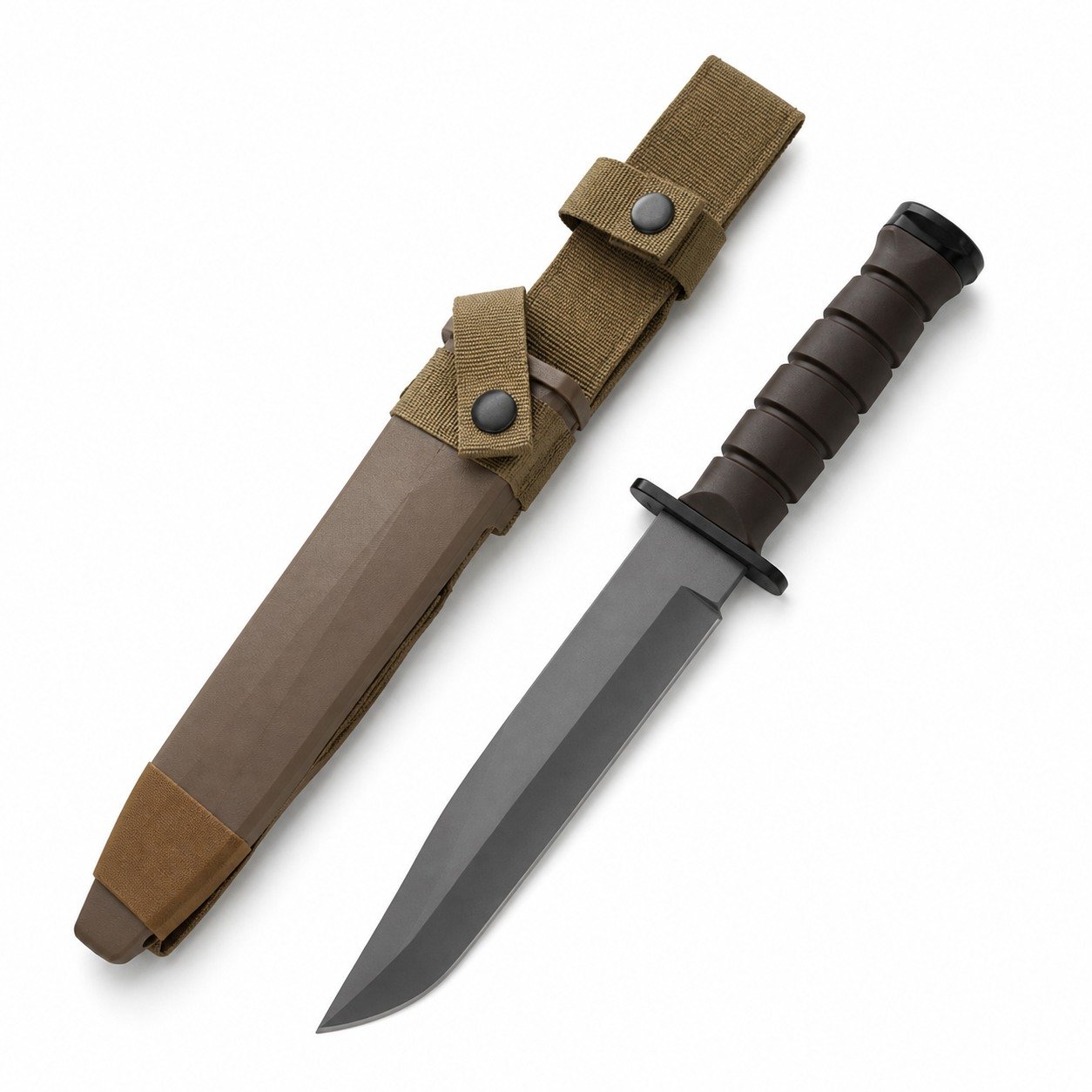
Blade material affects maintenance and sharpening expectations. The SEWARD M10 Integrated Keel Fixed Blade Knife is listed with 1095 high carbon steel, a nylon handle and a K-sheath. Its total length is 32.8 cm, blade length is 20 cm, blade thickness is 5 mm and net weight is about 400 g. These are catalog facts, not a guarantee of suitability for every user.
A fixed blade may offer a straightforward carry format, but its size and weight should suit the person carrying it and the local rules that apply. Read the specifications and product images carefully, and avoid inferring hidden construction details that are not stated.
Care and safe storage
After ordinary outdoor cutting, remove visible residue and moisture, then store the blade securely in its sheath or another suitable protective location. High-carbon steel deserves particular attention to moisture because surface corrosion can develop if it is left damp. Inspect the sheath and handle before carrying the tool again. Avoid using a knife for tasks it was not designed to perform.
Practical next step
Make a short checklist of your actual outdoor tasks, preferred carry method and storage conditions. Use it to compare the listed dimensions, material and attachment details before selecting a knife.
What should I decide first when making a survival knife?
Decide the intended cutting tasks, carry conditions and maintenance routine first. Those choices guide the appropriate blade length, weight, material and sheath format. A practical tool should be manageable and securely stored, rather than selected only for a rugged appearance or large dimensions.
How should a high-carbon blade be stored?
Keep it clean and dry after use, remove moisture before storage and use the supplied protective sheath when appropriate. Check the blade periodically for residue or early corrosion. Follow the product’s care instructions and store it where children cannot access it.