














Learn how to assess an antique silver pocket knife by checking hallmarks, construction, condition, and provenance before cleaning or collecting it.
What to check on an antique silver pocket knife
An antique silver pocket knife should be assessed through evidence rather than colour alone. Examine hallmarks, maker marks, blade construction, handle details, joints, and signs of repair. Silver-coloured metal does not prove solid silver, and a decorative finish may have a different composition. Record the condition before any cleaning.
Hallmarks and provenance
Use a magnifier and angled light to inspect tiny stamps without scraping the surface. Photograph each mark, note its position, and compare it with reliable hallmark references. Provenance such as an old receipt or family history can add context, but it should be kept separate from confirmed physical evidence.
Care without losing information
Avoid abrasive polish, aggressive buffing, or forced blade movement while the knife is being assessed. Wipe loose dust gently, keep the item dry, and store it where it will not rub against other metal objects. Corrosion, patina, and repairs can all affect interpretation and condition.
Modern catalog comparison
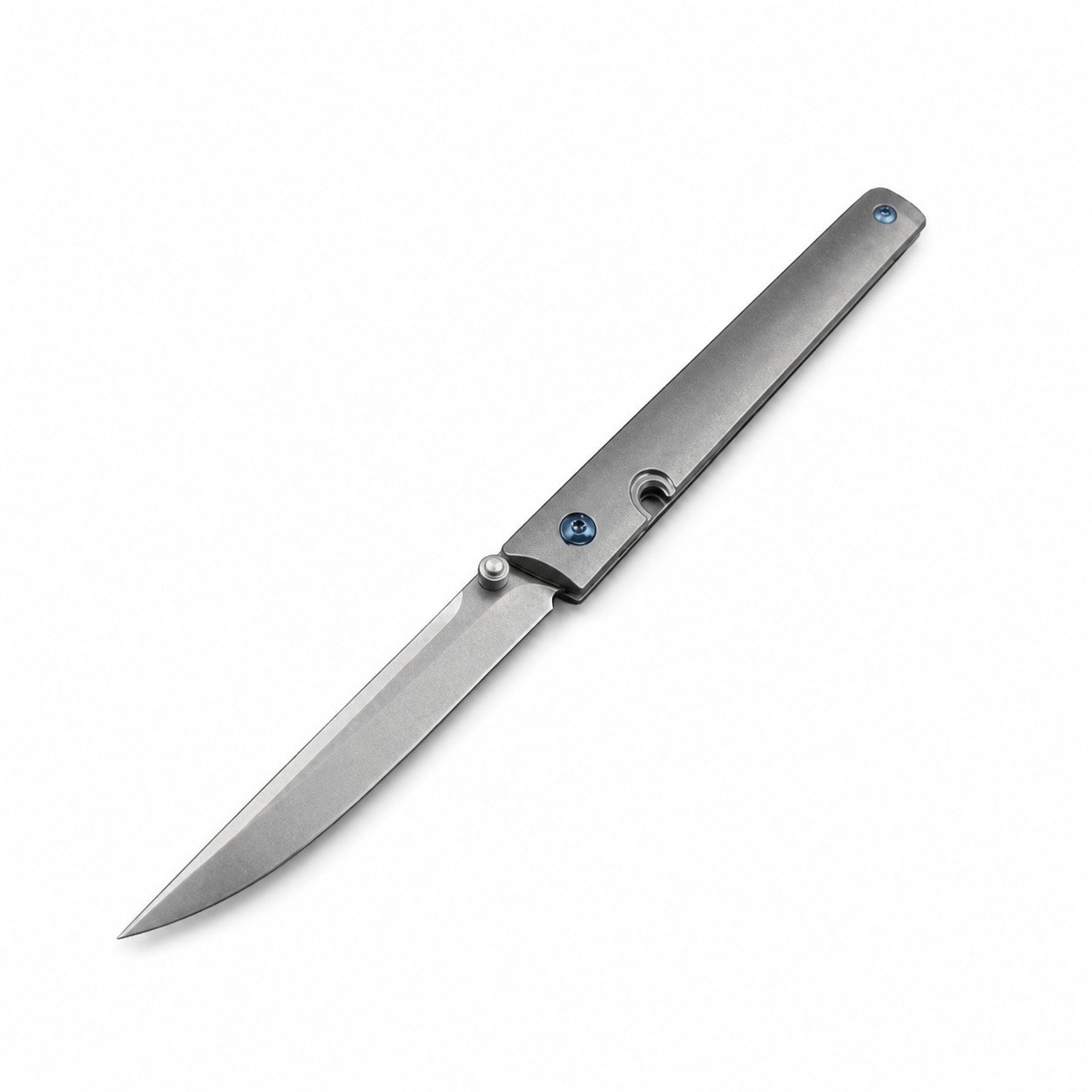
The supplied SEWARD 7096 Titanium Handle Fold Folding Knife is a modern-style catalog example, not an antique silver pocket knife. Its listed materials are D2 for the blade and titanium alloy for the handle, with a 60 g net weight. Those facts show why a material specification should be verified rather than inferred from appearance.
Practical next step
Photograph every mark and surface detail before consulting a collector reference or qualified specialist, and keep the knife unchanged during the first assessment.
Does a silver-coloured pocket knife contain silver?
Not necessarily. Appearance alone cannot confirm solid silver, plating, or another metal. Look for clear hallmarks and supporting evidence, then compare the marks with reliable references. If the distinction matters, seek a qualified appraisal rather than testing aggressively at home.
Should antique silver pocket knives be polished?
Do not polish before documenting and identifying the knife. Abrasive cleaning can remove surface clues, alter patina, and reduce historical information. Use gentle dry storage and careful handling first, then choose conservation advice appropriate to the confirmed material and condition.