














Learn how to clean a ceramic knife sharpener, remove metal residue and keep ceramic sharpening rods ready for controlled everyday use.
Cleaning a ceramic knife sharpener
Cleaning a ceramic knife sharpener is usually simple: remove loose metal residue, wipe the ceramic surface, and let the accessory dry completely before storage. Ceramic rods can collect gray or dark streaks as they work. This residue does not automatically mean the rod is damaged, but it should not be left to build up indefinitely.
Start by checking the sharpener’s instructions. Keep the knife separate, work on a stable surface and avoid striking or dropping the ceramic. A cracked or chipped ceramic component should not be treated as normal wear.
A gentle cleaning workflow
Use a clean, soft cloth to wipe the rod or ceramic surface. For residue that does not lift easily, follow the manufacturer’s cleaning directions and use only a method suitable for that sharpener. Avoid aggressive scraping, hard abrasives or improvised chemicals that could scratch the surface or leave contamination behind.
If the sharpener is designed to tolerate water, rinse it carefully and dry it fully with a clean towel. Do not assume every handle, joint or mounting part is water-safe. Keep moisture away from areas where it could remain trapped, and store the sharpener only when it is dry.
Use the accessory with care
A clean ceramic knife sharpening rod gives you a clearer view of the contact surface, but cleaning does not replace correct sharpening technique. Use light, controlled passes and follow the accessory’s intended angle or guidance. If the rod feels rough, shows damage or no longer behaves normally, stop and inspect it.
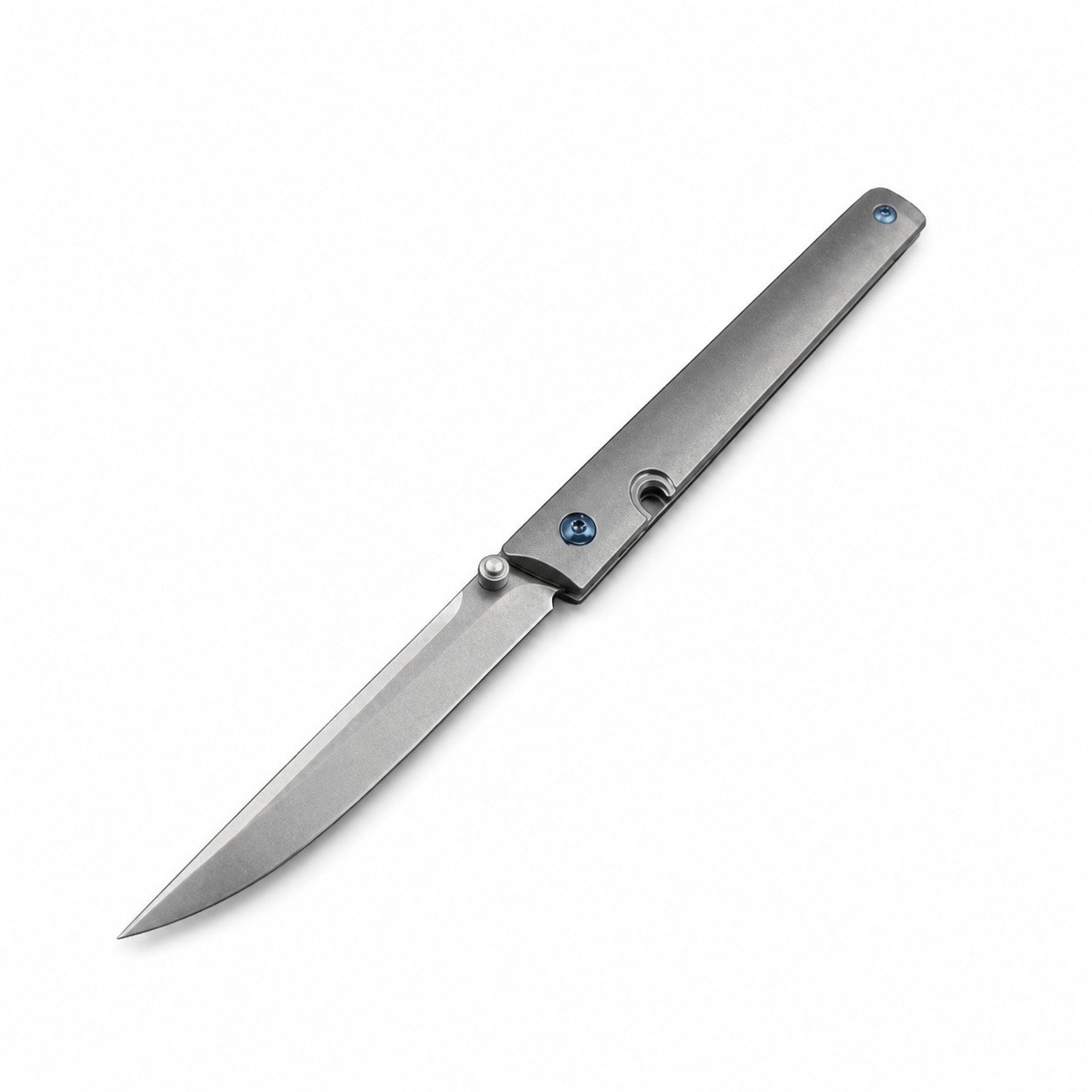
The SEWARD 7096 Titanium Handle Fold Folding Knife is listed with a D2 blade and titanium alloy handle. It is a catalog example, not evidence that its blade should be sharpened with every ceramic accessory. Confirm compatibility before use.
Why does a ceramic sharpener turn gray?
Gray or dark marks commonly come from fine metal residue released during sharpening. Wipe the surface with a soft cloth and follow the maker’s cleaning instructions. If the ceramic is cracked, chipped or unusually rough, stop using it rather than trying to remove the mark with aggressive abrasion.
Can I wash every ceramic sharpening rod?
No. Some ceramic accessories may tolerate careful rinsing, while attached handles, joints or other parts may not. Check the product instructions first. When water is permitted, dry the entire accessory thoroughly before storage, including any areas where moisture could collect.