














Follow practical craft knife safety habits for controlled everyday cutting, including setup, handling, storage and what to do when a tool feels unsafe.
Craft knife safety begins with control
Craft knife safety starts with a stable work surface, a clear cutting path and a tool that is appropriate for the task. Keep the material secured, cut away from your body and keep your free hand outside the expected path of the edge. Use deliberate pressure rather than forcing the blade through resistant material.
Good lighting matters. Before cutting, check that the handle is comfortable to hold and that the blade or cutting component is not visibly damaged. If the tool feels loose, sticks, or behaves differently from normal, stop and inspect it before continuing.
Handle and pass the tool carefully
Keep fingers behind the cutting edge and avoid reaching across the work area while the tool is open or in use. Make short, controlled cuts when the material allows. Do not try to catch a falling knife. Place it down with the cutting edge directed away from people, and communicate clearly when handing it to another person.
Wear protection appropriate to the material and task, but do not rely on gloves to make unsafe handling acceptable. Keep distractions, loose clothing and clutter away from the cutting area.
Close, store and inspect
When finished, close or otherwise secure a folding tool according to its design before carrying or storing it. Store it dry and out of casual reach, separate from loose objects that could contact the edge. Dispose of scraps promptly so the work area remains clear.
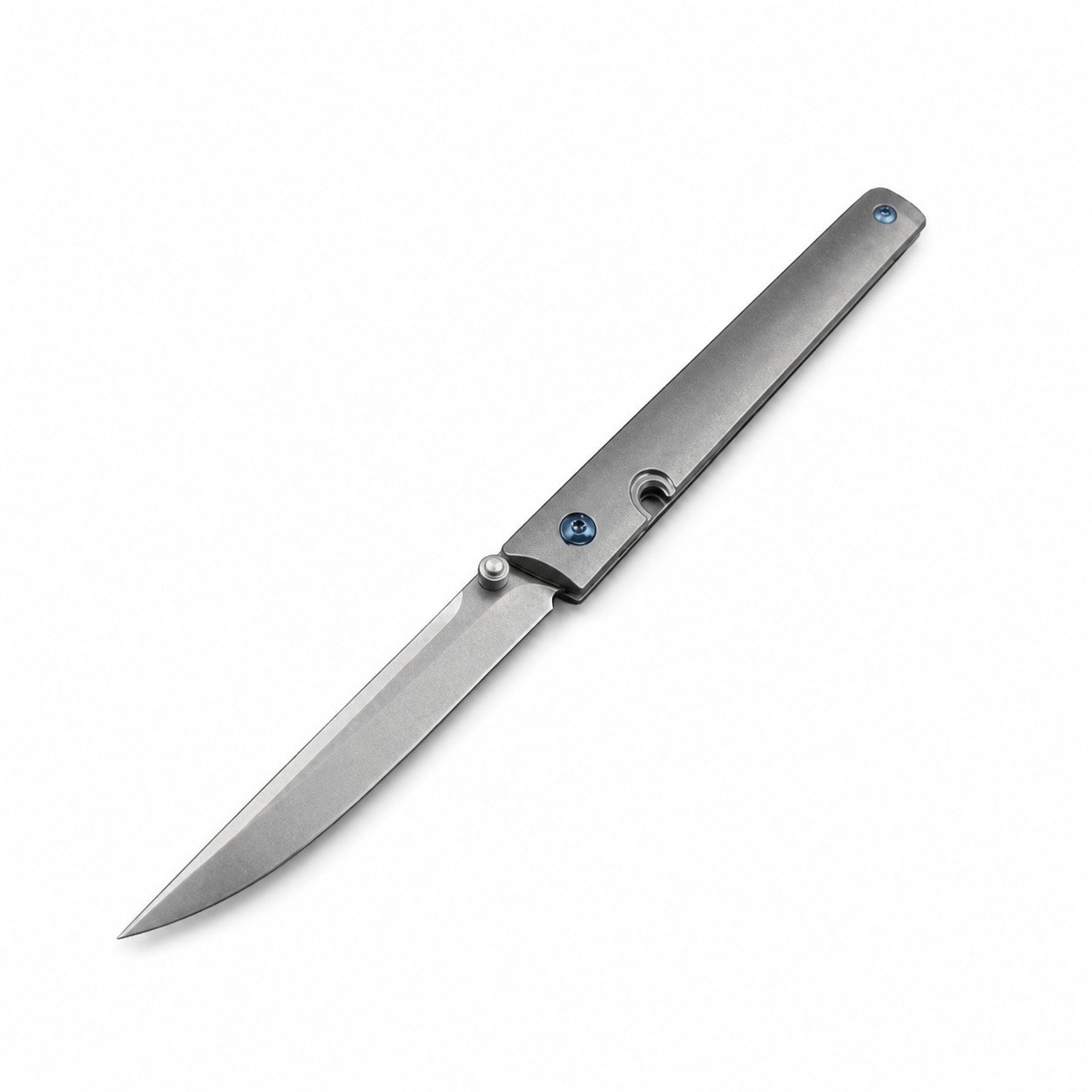
The SEWARD 7096 Titanium Handle Fold Folding Knife is listed with an 8.0 cm D2 blade, titanium alloy handle and 60 g net weight. These are catalog facts, not a substitute for reading the product’s instructions or checking local requirements.
What is the most important craft knife safety rule?
Keep the cutting path controlled: secure the material, cut away from your body, keep your free hand clear, and use only enough pressure for the task. Stop immediately if the tool feels loose, damaged or difficult to control. A stable setup prevents many avoidable slips.
How should I store a folding craft knife?
Close or secure it as intended, wipe away moisture or residue, and place it in a dry location where the edge cannot contact loose items or people. Avoid leaving it open on a work surface. Inspect it before the next use, especially after transport or damp conditions.