














Learn how a fixed angle knife sharpener supports repeatable maintenance and what to check before using one with a folding knife.
Why choose a fixed angle knife sharpener
A fixed angle knife sharpener is designed to guide the blade at a consistent angle while material is removed from the edge. That can make routine maintenance more repeatable than holding a sharpening tool freehand. The correct choice still depends on compatibility, instructions and the blade’s existing geometry.
What to check before buying
Look for clear information about supported blade lengths, thicknesses, angle settings and abrasive types. Do not assume that every fixed angle knife sharpener accepts every folding knife. A stable guide and secure blade support are important, while excessive pressure can remove unnecessary material or affect the edge.
Consider the knife being maintained
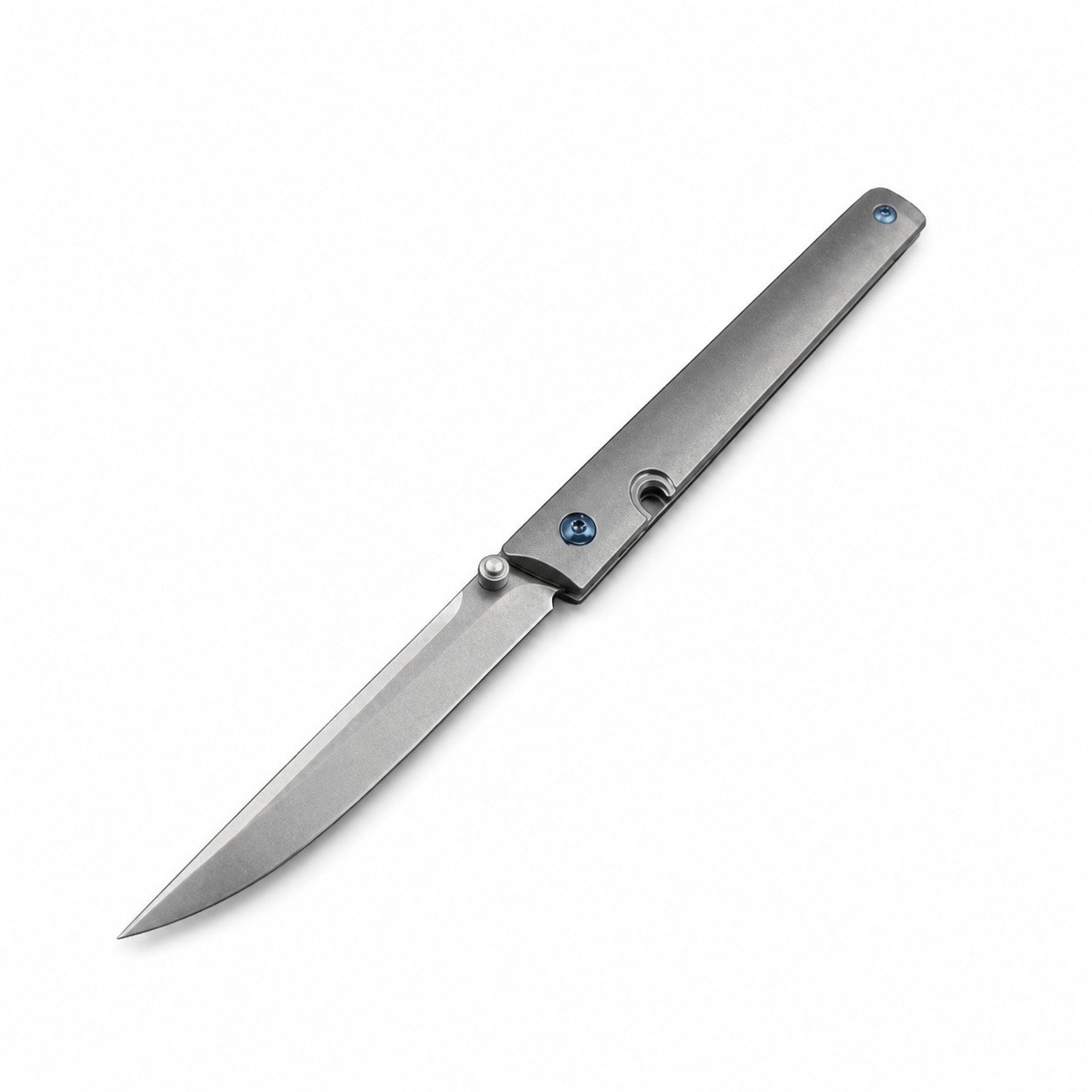
The 7096 Titanium Handle Fold Folding Knife is listed with an 8.0 cm blade, 2.0 mm blade thickness and D2 blade material. Its handle is listed as titanium alloy, and its net weight is 60 g. These facts help identify the knife, but they do not by themselves establish which sharpener angle or abrasive is appropriate. Follow the sharpener and knife guidance.
A cautious maintenance routine
Clean the blade, secure the sharpener on a stable surface and use light, controlled passes. Inspect the edge rather than repeatedly sharpening by habit. Stop if the blade does not sit securely or if the guide does not match the instructions. Wipe away residue, fold and store the knife safely, and keep sharpening equipment away from children.
Are fixed angle knife sharpeners easier for beginners?
They can make angle control more consistent because the guide limits freehand movement. They still require correct setup, light pressure and compatibility with the knife. Read the instructions first and stop if the blade cannot be held securely.
Can one angle setting suit every knife?
No. Blade geometry and manufacturer guidance vary. Use the sharpener’s stated range and the knife’s available care information rather than choosing an angle solely because it is common or convenient.