













Choose a guided knife sharpener by checking angle control, blade compatibility, stability, and instructions for careful everyday edge maintenance.
Why choose a guided knife sharpener
A guided knife sharpener helps control the relationship between the blade and abrasive surface, making repeatable maintenance easier than relying entirely on hand position. It is useful when you want a clear process for occasional care, but the guide is only helpful if it supports the knife’s edge shape, thickness, and material.
Before buying, confirm the supported blade range, angle options, abrasive type, clamping or holding method, and instructions for folding knives. A guided system does not remove the need for careful handling or inspection.
Features worth comparing
Look for stable placement, clear angle settings, secure blade support, replaceable or cleanable abrasive parts, and instructions that explain setup and pressure. Consider how much space the system needs and whether you can keep your hands clear of the edge during use.
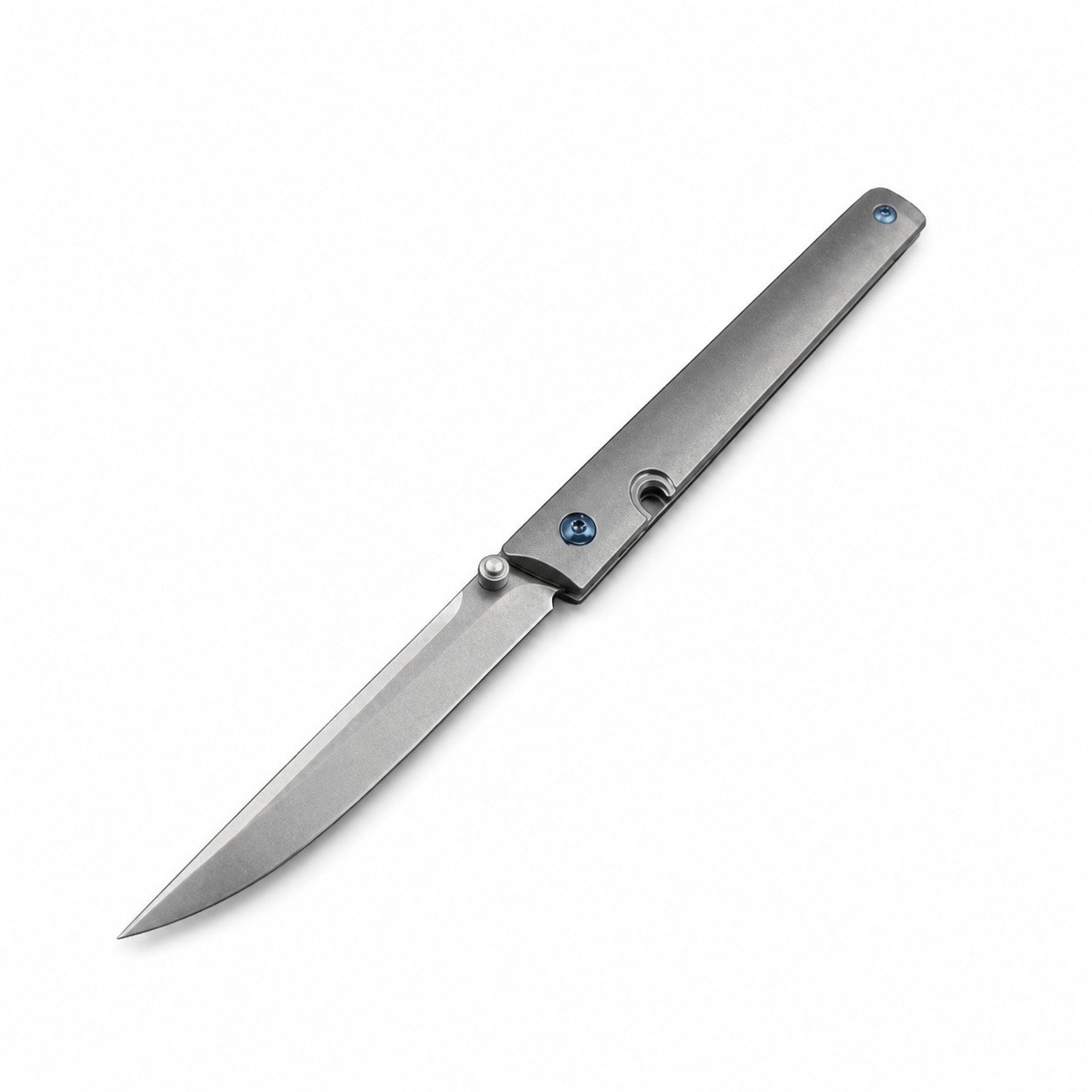
The supplied SEWARD example is a 7096 Titanium Handle Fold Folding Knife. Its stated specifications include an 8.0 cm D2 blade, 2.0 mm blade thickness, titanium alloy handle, 19.2 cm total length, and 60 g net weight. These facts help define the knife, but they do not confirm compatibility with a particular guided sharpener.
Use and care with restraint
Clean the knife first and inspect the edge for chips or other damage. Set up the guided knife sharpener on a stable surface, follow its instructions, and use only the recommended pressure and number of passes. Stop if the blade moves unexpectedly or the system does not hold it securely.
After maintenance, remove residue, dry the knife, and store it in a protected location. If the edge requires substantial repair, use a system designed for that condition or ask a qualified professional.
Is a guided knife sharpener safer than freehand sharpening?
Guidance can make angle control and repeatability easier, but it does not guarantee safe results. The system must match the blade and be used according to its instructions. Stable setup, controlled pressure, hand clearance, and stopping when the tool is uncertain remain essential.
What should I check for a folding knife?
Check whether the sharpener supports folding knives, the blade’s stated thickness and material, the available angle range, and how the knife is secured. Confirm these details from the instructions. Do not assume compatibility because the sharpener appears compact or because the knife is a common size.