














Follow this practical knife maintenance schedule for fixed blades and hand tools, from quick cleaning after use to deeper periodic checks.
Knife maintenance starts after every use
Knife maintenance is easiest when it happens immediately. Remove visible dirt, sap, adhesive, or moisture with a suitable cloth, then dry the blade, handle, and any exposed fittings. Avoid putting a damp tool straight into a sheath, drawer, or bag. If residue is difficult to remove, use a cautious cleaning method appropriate to the material and follow the maker’s guidance.
Weekly or regular checks
For a frequently used fixed blade or hand cutting tool, inspect the edge, handle, sheath, and attachment points regularly. Look for unusual movement, corrosion, cracks, loose hardware, or damage that could affect safe handling. Do not continue using a damaged tool until the issue has been assessed. Keep storage dry and separate the edge from objects that could contact it.
Periodic deeper maintenance
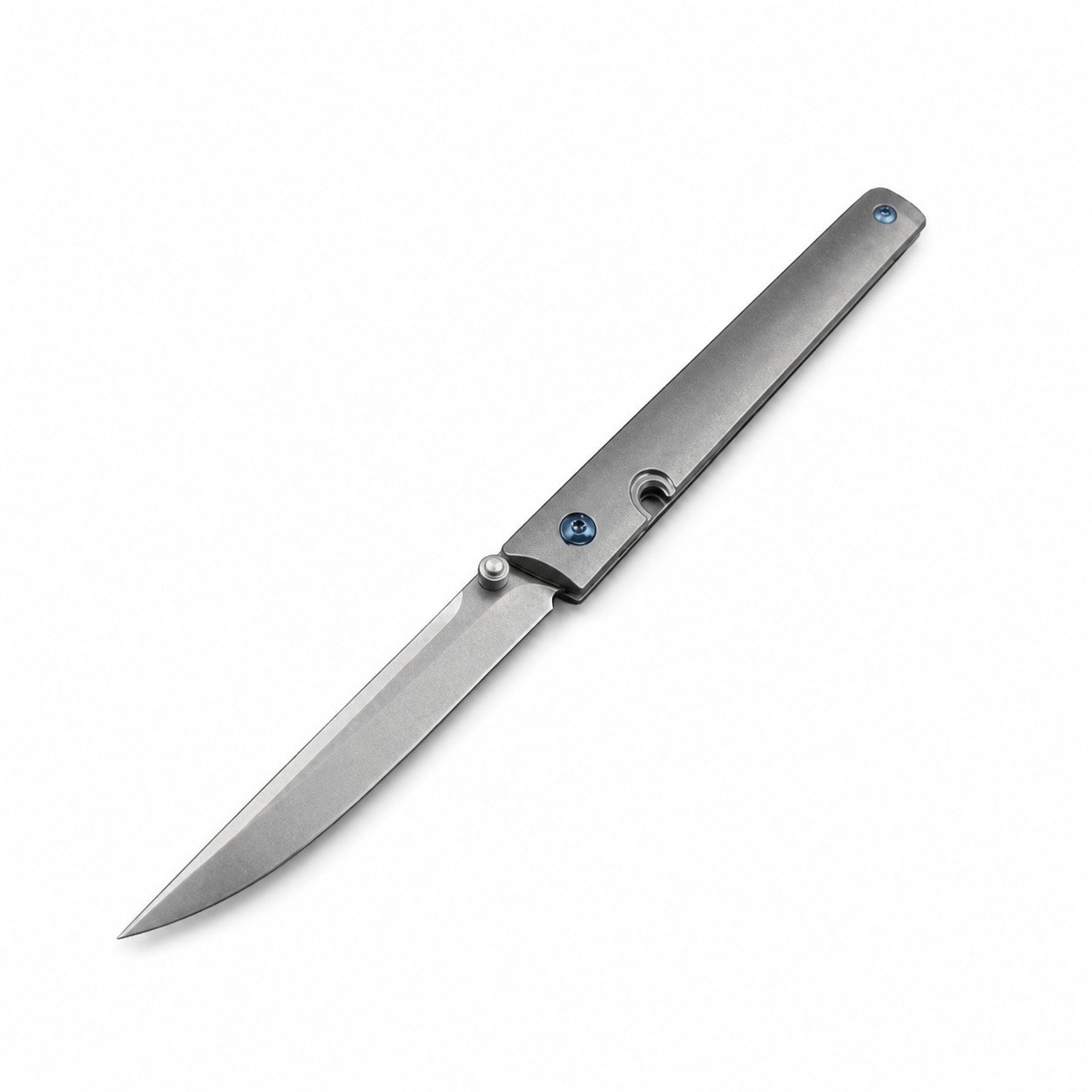
At longer intervals, clean hard-to-reach areas, check the complete carry system, and assess whether the edge needs careful sharpening. Use equipment suited to the blade and avoid removing more material than necessary. The 7096 Titanium Handle Folding Knife is listed with a D2 blade and titanium alloy handle, but its listing does not provide a special maintenance schedule, so follow the manufacturer’s instructions where available.
A practical next step
Create a small calendar reminder: wipe and dry after use, inspect regularly, and perform a deeper check when the tool has been exposed to moisture, dirt, or extended storage.
How often should a fixed blade be cleaned?
Clean and dry it after each use, especially after contact with moisture, dirt, or residues. Perform a more complete inspection regularly based on how often it is carried and used. The right interval depends on conditions, but visible contamination or damp storage is a reason to act immediately rather than wait for a scheduled date.
Should a knife be stored in its sheath?
A sheath can protect the edge and support organized storage, but the blade and sheath should be clean and dry first. Inspect the sheath periodically for trapped moisture, dirt, or damage. Store the tool securely, away from children and unauthorized users, and follow any manufacturer-specific storage guidance.