














Compare super knife steels by practical priorities such as edge retention, care, sharpening and everyday folding-knife use.
Super knife steels: the practical answer
“Super knife steels” is a broad marketing and enthusiast term, not one universal performance grade. A steel may be valued for edge retention, toughness, corrosion resistance or ease of sharpening, but these qualities involve trade-offs. For an everyday folding knife, choose based on the cutting materials, moisture exposure and care you can realistically provide rather than chasing the most impressive-sounding label.
The main factors to compare
Edge retention matters if you cut frequently and want longer intervals between sharpening. Toughness matters when a blade may encounter impacts or awkward loads, although no folding knife should be used for prying or twisting. Corrosion resistance matters in damp conditions, while ease of sharpening matters when you maintain the knife yourself.
Heat treatment, blade geometry and workmanship also influence real-world performance. Steel alone cannot guarantee a particular result, so rely on the specific product facts and care guidance available for the knife you are considering.
A stated D2 example
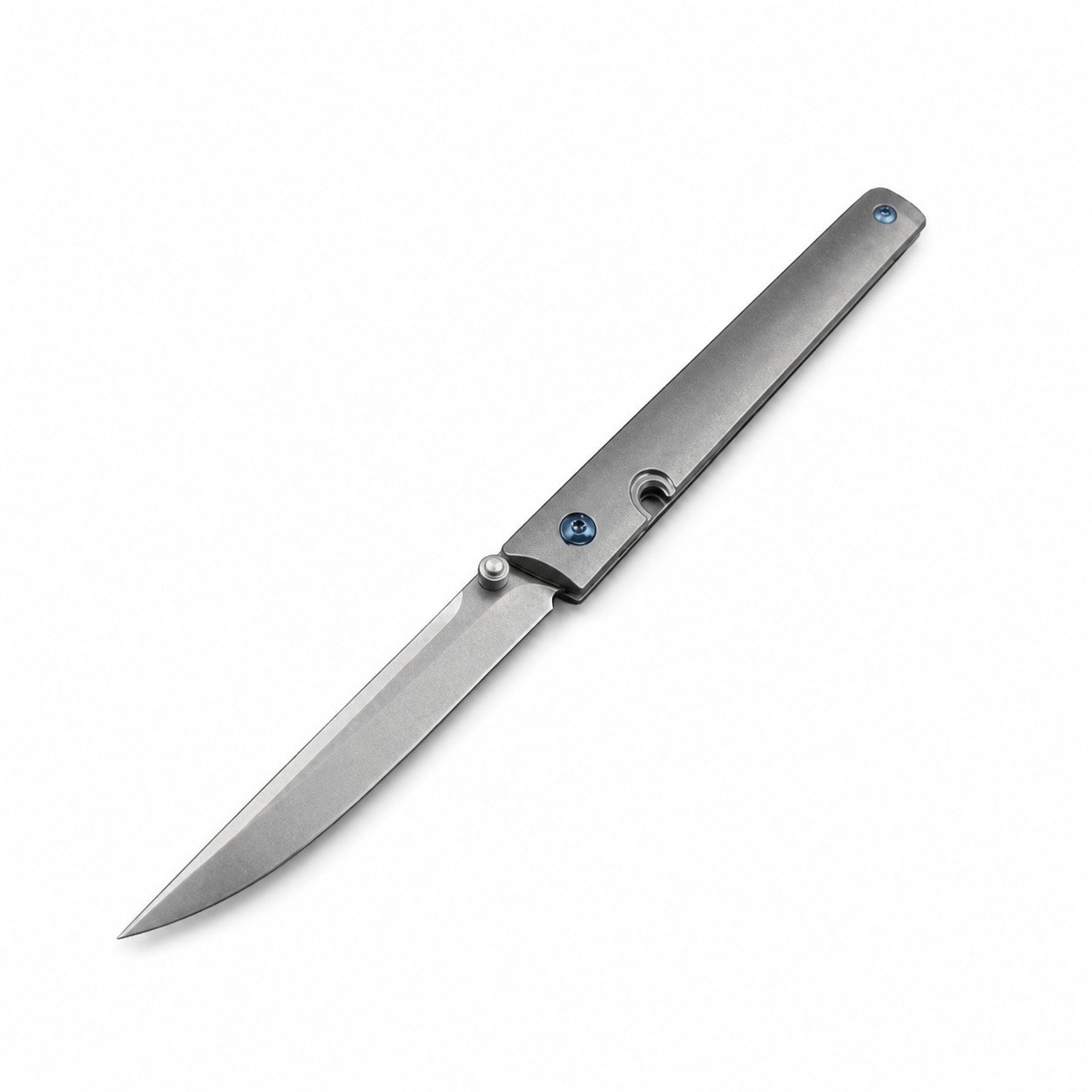
The 7096 Titanium Handle Fold Folding Knife is listed with a D2 blade and titanium-alloy handle. Its stated measurements include an 8.0 cm blade, 19.2 cm total length and 60 g net weight. D2 is the only blade material supplied for this example; it should not be presented as proof that it belongs to every definition of super knife steels.
Keep any blade clean and dry after use, inspect it before carrying and sharpen it with a method suitable for the actual steel. Store the knife closed and follow applicable local requirements.
Does a super knife steel guarantee the best knife?
No. Steel is only one part of performance. Blade geometry, heat treatment, construction, intended use and maintenance all matter. A less specialized steel can be the better practical choice when it is easier to care for and matches your cutting routine.
What should I compare next?
List your priorities in order—edge retention, corrosion resistance, toughness or sharpening ease—then compare the specific knife’s documented material and care requirements against those priorities.