














Learn a gentle method for cleaning a Damascus steel knife, removing residue, drying the surface and storing the knife without unnecessary abrasion.
Cleaning a Damascus steel knife
Cleaning a Damascus steel knife should be gentle and controlled. First remove loose residue, then wipe the blade with a soft cloth, dry every accessible surface and store the knife in a dry place. Avoid aggressive polishing or abrasive tools, which can change the surface appearance and may damage finishes.
Before starting, make sure the knife is closed or safely secured where its design allows. Keep your fingers away from the edge and work on a stable, uncluttered surface.
A careful cleaning workflow
Use a soft, clean cloth to remove dirt and moisture from the blade. If residue remains, follow the knife maker’s instructions for an appropriate cleaning method. Do not assume that strong chemicals, rough pads or metal tools are safe for a patterned or finished surface.
If water is permitted, use only what is needed and prevent moisture from remaining around the handle or folding areas. Wipe the knife dry immediately, then inspect it under good light. Pay attention to spots, trapped debris and any change in normal movement.
Finish with dry storage
After cleaning, leave no damp cloth wrapped around the knife. Store the closed knife somewhere dry, away from loose objects that could rub against the blade. If the maker permits a protective lubricant, apply it sparingly after the surface is dry; excess product can collect dust.
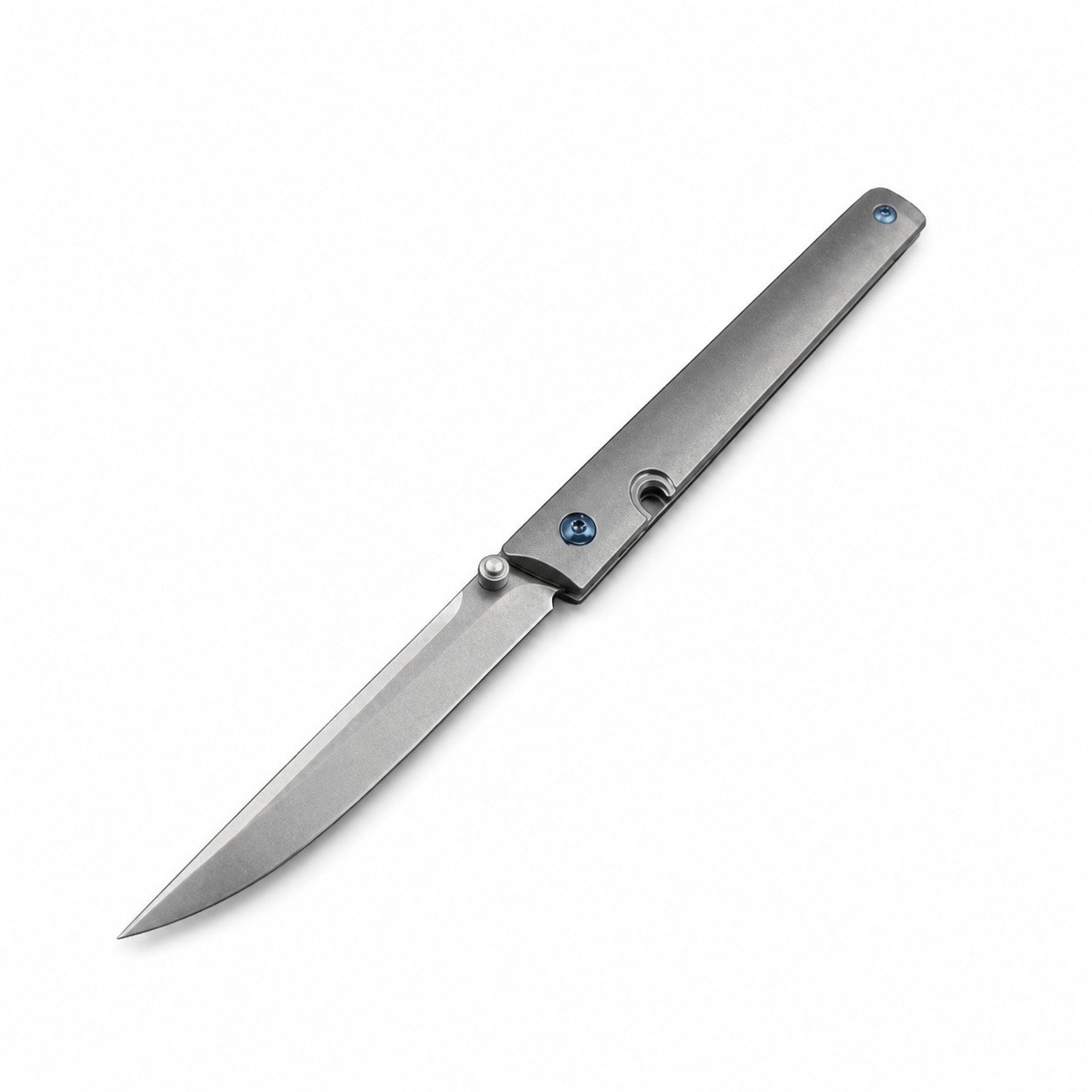
The SEWARD 7096 Titanium Handle Fold Folding Knife is listed with a D2 blade and titanium alloy handle. It is not a Damascus steel product according to the supplied facts, so use it only as a general folding-knife catalog example, not as proof of Damascus construction.
Can I scrub a Damascus steel knife to remove stains?
Use the least abrasive method that the maker permits. Start with a soft cloth and avoid rough pads, metal tools and strong chemicals unless the instructions specifically allow them. If a mark does not lift easily or the surface changes, stop rather than increasing pressure and risking the finish.
What should I do immediately after cleaning?
Dry the blade and accessible handle areas completely, inspect the surface under good light, and store the knife closed or safely secured in a dry place. If suitable lubricant is permitted, use only a small amount after drying. Do not wrap a damp knife for storage.